Why Resting Dough Changes Its Feel
Why resting dough changes its feel: learn when a pause improves handling, how to cover dough, and when to follow the recipe without adding extra wait.
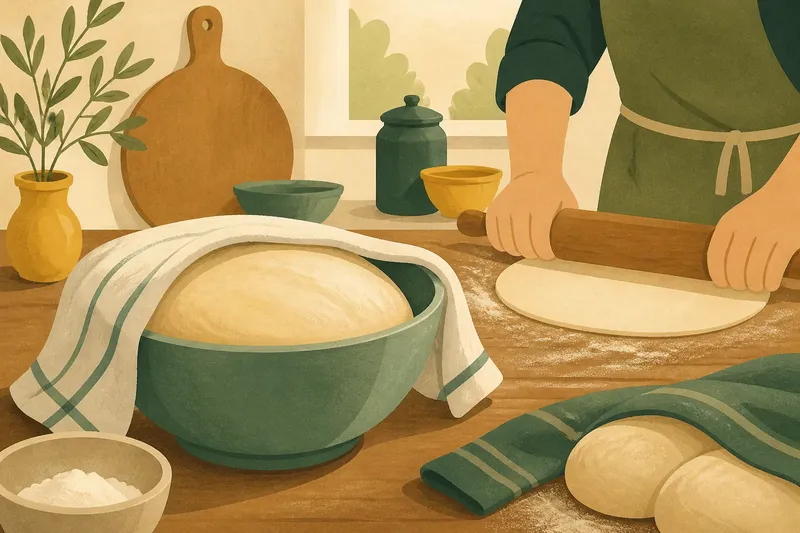
Why does dough that fought the rolling pin a moment ago suddenly feel easier to handle? Why resting dough changes its feel comes down to moisture spreading through the flour and tension in the gluten easing during a pause. Resting can make dough more pliable, but it is a tool for particular doughs, not a rule that every recipe must obey.
To use a pause well, notice what the dough is doing, choose a suitable rest, then check the result before moving on. The aim is not to make every dough softer. It is to give this dough the condition its next task needs.
Read the dough before deciding to rest it
Right after mixing, flour may not yet have taken up moisture evenly. Dough can feel rough, sticky in patches or unexpectedly stiff. As it sits, moisture spreads through the flour and the mixture often becomes more cohesive. This is hydration: water moving into and through the flour rather than remaining in conspicuously wet spots.
Mixing also develops gluten, the stretchy protein network that helps many doughs hold together. Continued mixing tends to make that network more organised and resistant. A pause allows some of the tension to ease, so dough may stretch with less recoil. Resting does not erase gluten or turn a firm dough into a different recipe; it changes how the existing dough responds to handling.
Before covering the bowl, ask what is causing difficulty. If the dough is rough and newly mixed, a pause may help. If it is dry and crumbling, rest alone will not supply missing moisture. If it is already soft and slack, waiting could make it harder to shape. A rest is not a polite way to avoid diagnosing the dough.
Choose a pause that suits the next task
For dough that will be rolled or shaped, ask whether it resists the action. Dough that springs back as soon as the rolling pin passes may benefit from a short pause before another attempt. A freshly mixed dough that feels uneven may need time for the flour to take up moisture. In either case, rest it before applying more force; repeated pressing can make dough seem tougher without solving the cause.
Cover the dough or its bowl so the surface does not dry out. A clean, lightly damp cloth, a lid or a reusable cover can serve, provided it does not leave the dough wet. If the recipe gives a resting instruction, follow its timing and storage conditions. If it does not, begin with a brief pause and reassess rather than assuming a long wait is better.
Say you have just mixed dough for flatbreads and it keeps shrinking as you roll it. Cover it, leave it briefly, then roll a small portion again. If it stretches farther before pulling back, the pause has helped with that task. If it remains resistant, check the recipe and the dough’s condition rather than forcing the rest to do more than it can.
Keep the surface and temperature in mind
Air is the immediate enemy of an uncovered rest. A dry skin can form on the outside while the centre remains supple, leaving a tough edge that cracks when rolled or folded. Covering the dough prevents that mismatch. If a cloth tends to dry quickly in your kitchen, a bowl lid or fitted reusable cover depends less on the room’s conditions.
Temperature also affects what happens while dough waits. A warm kitchen can speed fermentation in yeasted dough, while a cool one may slow it. “Rest” can therefore describe two overlapping things: a pause for moisture and gluten to settle, and time in which yeast produces gas and flavour. If a recipe specifies a warm rise, a chilled rest or a particular appearance before shaping, treat those directions as part of the method rather than optional handling advice.
For dough without yeast, resting is usually about moisture and ease of handling, not rising. For yeasted dough, the pause may do both jobs. The distinction matters: dough that has expanded or become airy has changed through fermentation as well as relaxation.
Check the result before adding flour or more mixing
Uncover the dough and use the handling test relevant to the next operation. For rolling, press or roll a small area and see whether it stretches or immediately recoils. For shaping, lift and fold an edge to see whether the dough holds together without tearing. For dough meant to remain soft, judge whether it is workable rather than trying to make it feel dry.
If it is easier to stretch, proceed gently. There is no need to knead again simply because the dough has rested. If it still resists, give it another short pause when the recipe allows, or divide it into smaller portions so each piece is easier to manage. If it has become sticky, resist the reflex to bury it in flour: a light dusting may help rolling, but excess flour can change the dough’s balance and make the finished result firmer.
When dough seems dry, inspect the mixture rather than waiting indefinitely. Flour type, measuring method and moisture in other ingredients can affect how much liquid it takes up. If the dough is visibly cracked and will not come together, consult the recipe’s intended consistency and make any adjustment cautiously. A rest can redistribute moisture already present; it cannot conjure extra water.
Some doughs benefit more than others
Pastry and many biscuit doughs often benefit from chilling or resting because it can make them less prone to tearing or shrinking during rolling. The fat may firm as the dough cools, a separate effect from gluten relaxation. Follow the recipe’s temperature instructions: a room-temperature pause and a refrigerator rest are not interchangeable merely because both involve waiting.
Flatbread, pasta and some noodle doughs can become easier to roll after resting, as moisture evens out and the dough relaxes. Bread dough also rests between stages, but those pauses are often tied to fermentation and shaping rather than serving as a general remedy for resistance. A recipe may call for a rest after mixing, after dividing or between shaping stages; each position serves a different purpose.
Not every dough needs an extra pause. A simple batter, a dough meant to be mixed and baked promptly, or a recipe whose texture depends on a specific sequence may be best handled as written. Waiting can also be unhelpful if it allows leavened dough to ferment beyond the intended point or makes chilled dough too firm to work comfortably. Ask what change this dough needs before its next step.
Which resting dough questions matter most?
How long should dough rest?
Use the time given in the recipe, since flour, liquid, temperature and the next task all matter. Without a stated time, start with a brief pause, keep the dough covered and check whether it handles more easily.
Should dough rest at room temperature or in the fridge?
Choose the condition specified by the recipe. Room-temperature resting generally leaves dough easier to handle sooner, while chilling can firm it and slow fermentation; those effects suit different tasks.
Can dough rest for too long?
Yes, depending on its ingredients and whether it contains yeast or another leavener. It may dry out if uncovered, become overly fermented or grow too firm in the fridge, so use the recipe’s cues as well as the clock.
Does resting replace kneading?
No. Kneading develops structure through active mixing, while resting gives moisture time to distribute and allows some tension to ease. A recipe that needs kneading still needs it, even if it also includes a pause.
Make the pause earn its place
When dough is difficult to handle, change one thing at a time. Cover it, pause, then repeat the same small handling test. That makes the change easier to read than adding flour, kneading harder and waiting all at once. If the dough responds, continue; if not, revisit the recipe’s proportions, temperature and intended texture.
Resting dough changes its feel most usefully when tied to a clear next action: rolling without recoil, shaping without tearing, or allowing flour to absorb moisture evenly. Keep it covered, respect the recipe’s fermentation and temperature cues, and do not add a pause merely because the kitchen has gone quiet. The dough has already been given enough jobs.